

zohebv
Joined 16 years ago
Karma
435
Submissions
101
Member since
Oct 26
Joined 16 years ago
Posting a photograph of a victim of a lynch mob http://upload.wikimedia.org/wikipedia/commons/d/d5/Lynching2...
I think Armstrong might be discomfited by the well deserved online education in social etiquette and the priority of life (of poorer people) over money. He sorely needs it and he will be the better for it, though a complete cure for him seems impossible.
> Did he say that?
Did I call you an ignorant money peddler, who thinks he is very smart because he can micro analyze statements and completely ignore the context in which the statement was made, as per his convenience?
Of course, I did not!
I call you no such thing.
_ has only one meaning => "unspecified"
http://www.reddit.com/r/programming/comments/uk015/kotlin_m2...
Seen way too many of these kinds of management structures. The management decides to appoint the crony as the lead, because picking the best developer is "wasteful" and creates a "destructive work environment". The amount of cringe inducing perversion of logic in the comment above is a tragedy because of its pervasiveness. On the flip side, these kinds of organizations are not too hard to avoid, doomed startups and successful behemoths - both fit these criteria. A smaller company with decent growth is probably the better bet.
Correction : A Professor(Manindra Agrawal) who had been working on the problem for quite some time and 2 undergrads.
You can pry the super powerful type system, functional programming support, monad comprehensions, library ecosystem, IDE support from my cold dead hands :D
> but they're less useful in other languages where you already have effects everywhere.
Scala has side effects everywhere, yet the Monad is extensively used in Scala programs. Monads have nothing to do with "effects".
Monads are not used to decide the kind of "effects" you are allowed. By calling every Monad a kind of "effect", you are just begging the question. Monads are merely objects that follow 3 monad laws, no more no less.
> This is why Haskell is pure despite having effects. Haskell programs don't do IO, they yield control to the runtime environment whenever IO needs to be done.
How is this different from a C program? Haskell is pure in the presence of IO, because the type system tracks IO calls and forces any function that even indirectly refers to a quantity obtained via IO to modify its type signature to reflect the IO action. This can be done with/without Monads. Haskell IO is a Monad, because it pretty much analogous to the State Monad and Haskell has special Monad syntax that lets you pass the World State implicitly and write imperative code in an imperative style.
A Haskell program consists of declarations of functions and constants. Constants belong to the class Eq
http://www.haskell.org/ghc/docs/latest/html/libraries/base/D...
Functions do not.
How is your notion of nonsymbol/symbol different from function/constant?
You sound like an HR drone tasked with attacking michael's record with false data. You haven't responded to his claim that his record met expectations. Unless you use a real identity, your claims will have no credibility.
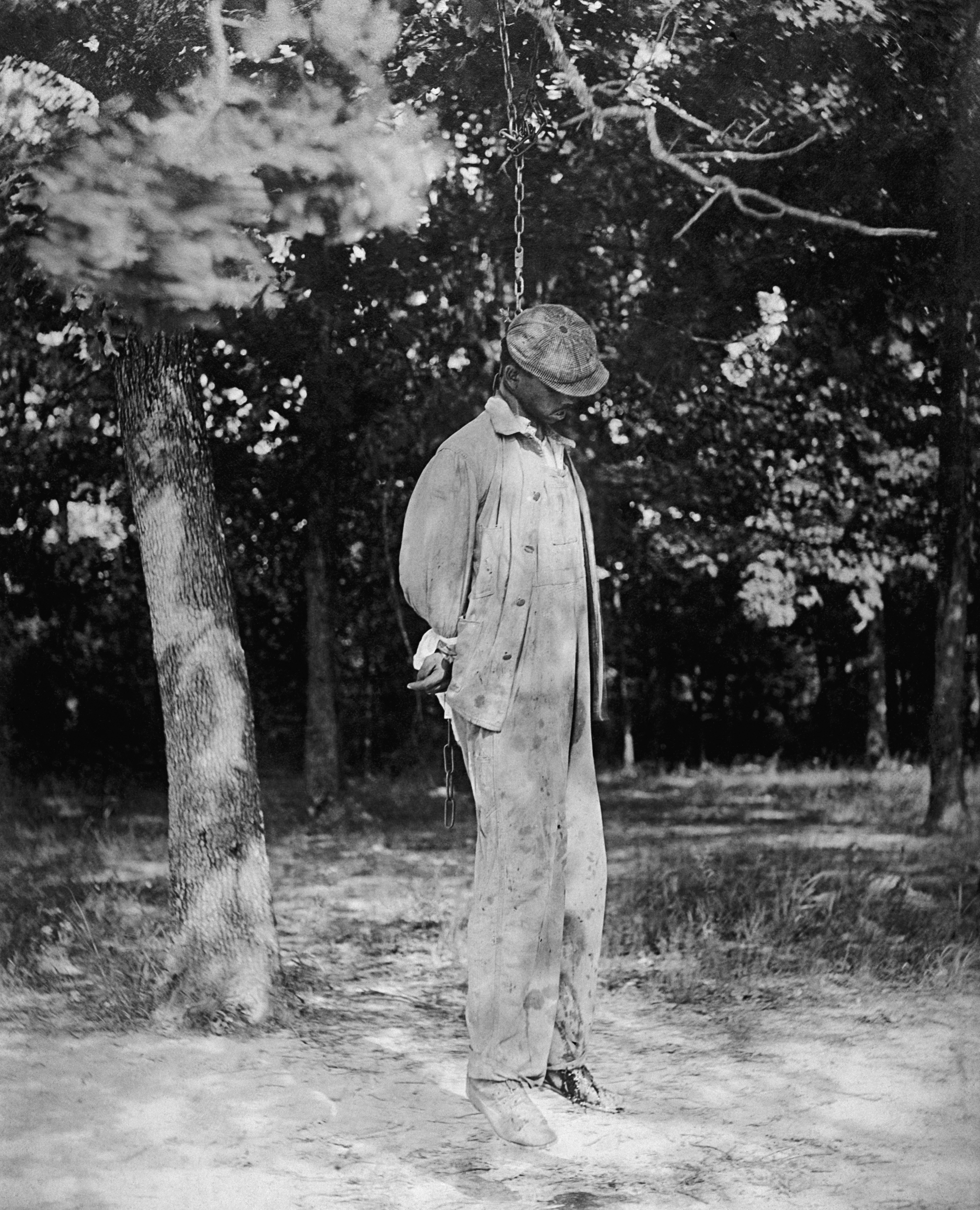
Getting universally criticized for a statement is not a qualification for assuming "lynch mob" victim status.
> I meant the forces that drive lynch mobs are driving people here.
This particular statement can be interpreted in so many different ways that it remains meaningless as it stands.
> Did he say that?
Did anyone lynch him?