zedr
Joined 14 years ago
Karma
416
Submissions
88
Member since
Feb 26
https://www.zedr.com
View on Hacker NewsJoined 14 years ago
It's being written entirely in Python: Kivy for the desktop and mobile game UI, and aiohttp for the server.
I've written very detailed specification documents for every technical and game-design aspect of the game, and I've implemented the core game engine myself. I'm letting an agent do the rest, incrementally and under supervision, tweaking the specs as we go along. So far, a very pleasant experience.
My goal is to reach beta by the end of the year, and publish the game on Steam by mid-2027.
1. The mouse is a hardware sprite and its movement stays responsive and smooth even under heavy load and even when the OS freezes
2. A screen can be divided into multiple resolutions, e.g. you can have a half a screen in high res and half in low res and with double the amount of simultaneous colors (or even HAM mode)
3. It can genlock natively, i.e. match its screen refresh rate with an inbound video signal, making it popular with broadcasting studios up to the late Nineties
Fabien seems to be unaware of this, by the way.
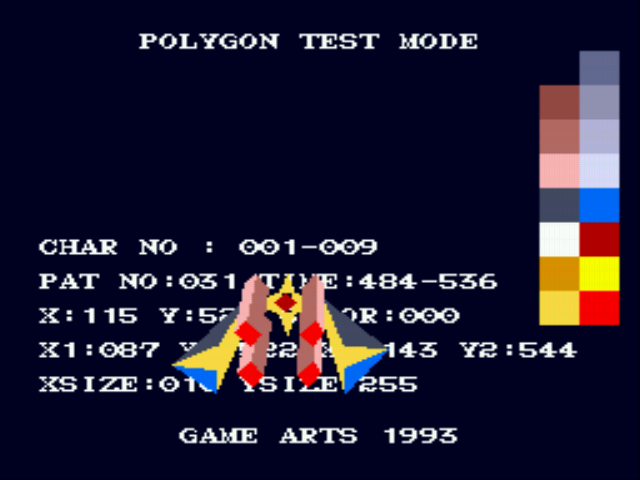
This is also why the game play is so bland. The number of 3d objects and their complexity was severely constrained and did not allow for varied or more sophisticated game elements.
Silpheed was amazing back in the day. It was one of the first titles that really showcased what CD drives could add to games in terms of cinematic experience. The live orchestral music gave it an epic feel and the mecha-design of the SA-77 is beautiful and modern even by today's standards.
My take on it:
    class Stuff:
        def __init__(self):
            self._list = [1, 2, 3, 4]

        @property
        def each(self):
            for el in self._list:
                yield el

    for item in Stuff().each:
        print(item)
My favourite brutalist building is in Belgrade: the Western City Gate https://en.wikipedia.org/wiki/Western_City_Gate