
oogali
Joined 16 years ago
Karma
971
Submissions
307
Member since
Mar 29
meet.hn/city/40.3496953,-74.6597376/Princeton
View on Hacker NewsJoined 16 years ago
I’ve had a running theory for a few years now that some tech folks are more open to receiving an error message from a compiler or other tool, than they are to critical feedback from a peer. If they’re blocked and finally have exhausted their other avenues (pre-LLM: web searches, forums, etc), they’ll reluctantly engage with a peer, and do so with extremely limited patience.
The first paragraph of this reply is extending that theory to non-tech —-> tech, but replace compilers with LLMs that _appear_ to be more useful (or at least busy) working with what limited context you provide them, especially when it’s insufficient.
It won’t quite tell you your app idea is unrealistic or that the implementation is nearly impossible, but after burning a bunch of time and tokens, those people will eventually get the point.
Or reluctantly reach out to a tech person anyway.
It doesn't have to be really bright lighting but that's the easiest thing to satisfy the underwriter's request, and as a result, the cheapest to implement.
People are using LLMs for the things they consider distractions but are “required”, or at least feel that way about: ads, marketing web sites, emails to/from coworkers, and even RFP responses to government agencies.
Wherever someone uses the raw output of an LLM signifies how little they wanted to do the work in the first place yet still [desperately] want to reap the benefits of appearing to care.
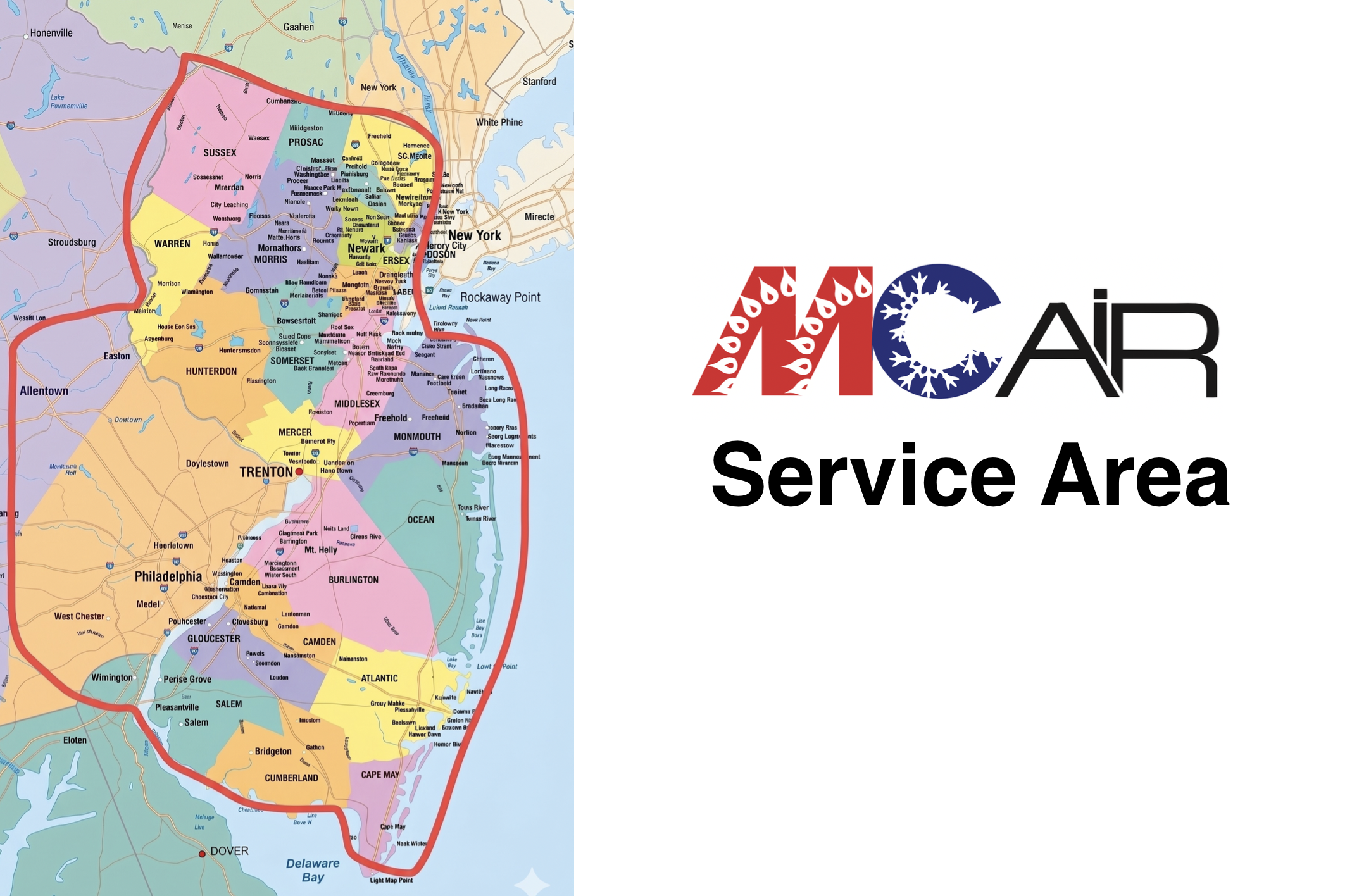
Yesterday, I was searching for local HVAC maintenance companies when I came across one with a map showing their service area.
At a quick glance, it seemed fine but that was no longer the case once you zoomed in: it was a collection of hallucinated, non-sensical names. I too said, “how in the world was this reviewed and approved!?”, and then quickly came to the same conclusion that you did: “nobody gives a shit about this stuff anymore”.
The thought is a new wave of people who only know LLM-generated sites, so those design patterns are what they demand/emulate/etc. across the spectrum of user interfaces.
The only previous trend I can draw a parallel to was when Comic Sans and Microsoft Clip Art dominated every flyer and poster.
Count the number of Americans who would have an ID worth scanning (aka ages 18 or over): 269M [1].
Or the number of Americans with a driver’s license: 212M (2013) [2].
1: https://www2.census.gov/programs-surveys/popest/tables/2020-...
I have similar stories from our local neighborhoods where another parent might yell at you but the tales of your exploits made it home before you did. And there consequences waiting for you.
It’s a matter of timeline, not country.
By the late 1990s, I started to see said teachers pushing kids along as to 1) not deal with them again, and 2) pressure from district/state to not have as many failing students a.k.a. optimizing for the metric.