zephjc
Joined 17 years ago
Karma
1,151
Submissions
492
Member since
Nov 20
Joined 17 years ago
US houses and apartments seem notoriously poorly insulated when it comes to sound. As you say, its a small extra cost, and it can allow for more people in an area (even having connected townhouses or apartments) without having to deal with neighbor noises. If you can fit 3x the number of houses into a lot and they have good sound insulation, you're producing a lot more revenue from the house sales as well as generating potentially much tax revenue for that area of land (depending on how property taxing is done there)
Maybe a bit narrower/shorter though.
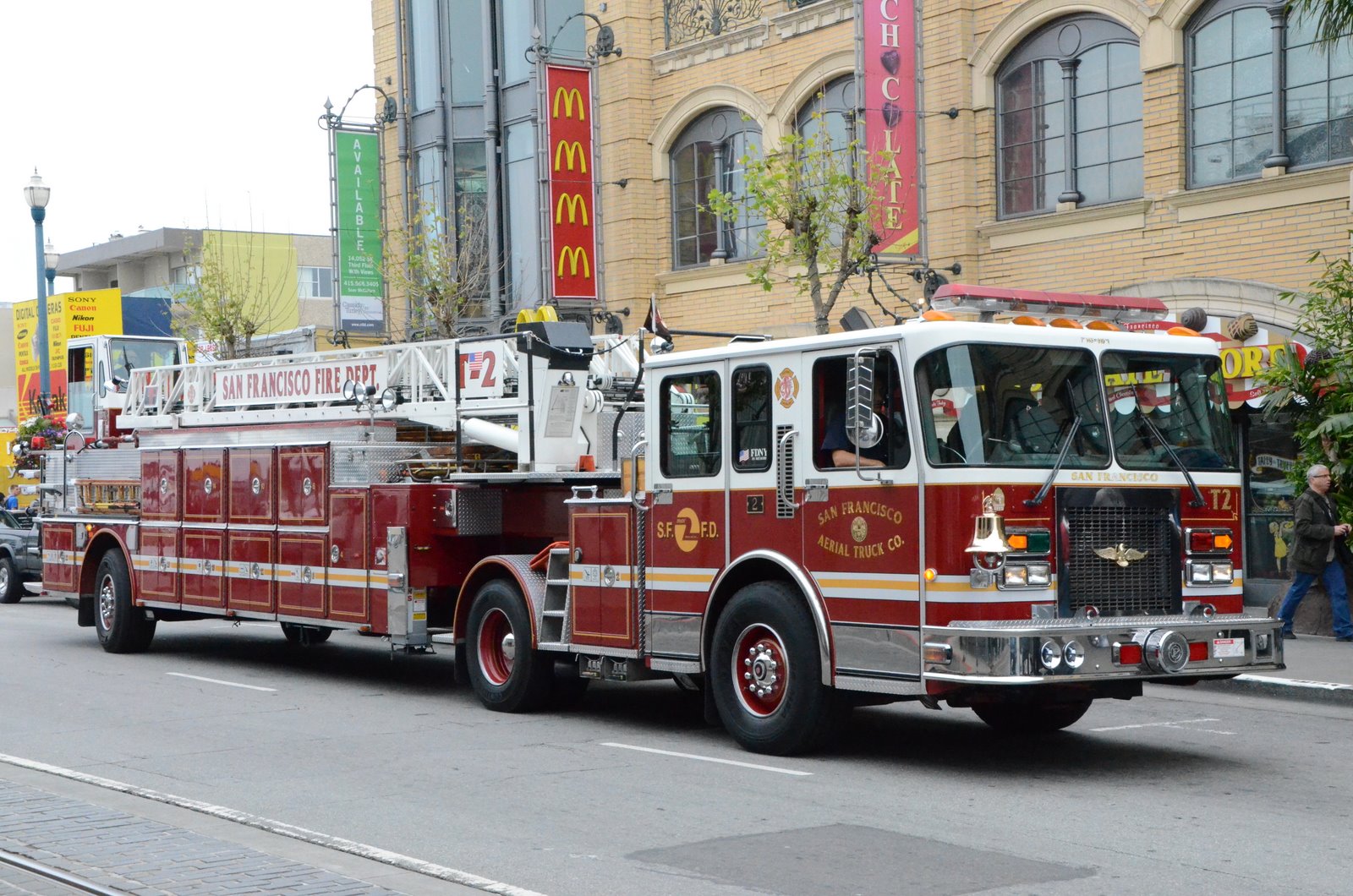
You still get the volume but don't have to punish the people who live in an area for the 0.001% of the time fire trucks need to be there.
Yes but that isn't actually what happens because the use of a street or road isn't by one car from A to B but by the continuous use over time across a section of the street.
Say you had a single 1 mile arterial in a city, and it's the only way of getting from one half of the city to the other half. There are few points when a cars are "off" of it (except maybe late at night) - the rest of the time it is a near constant high speed flow.
You're not wrong to say that it gets any given car off the road quicker, but that is if you're focusing on the one driver's trip, as opposed to focusing on the use of and experience of being at that section of road. If it was an old town which had its main street become a high speed arterial, you now have an experience for any pedestrians who might want to use the (probably few remaining) stores along that road be not unlike walking along side a freeway - unfun and dangerous.
By focusing on any one driver's trip experience, and not the street experience, you're essentially damning the street experience for the potential sake of some extra time saved (if its across a city, perhaps on the order of 10 or so minutes).
Of course when you have nothing on the street worth being around (like most of El Camino Real), you want to get passed it ASAP. (SF problems are a whole other hairball of outside commuters plus residents who insist on using cars.)
For people. What's the point of even building something for human habitation if making it a good place for people isn't put first?
> Self-driving cars (or just ubiquitous turn-by-turn navigation) could change this equation by intelligently routing cars around bottlenecks and avoiding the neighborhood entirely, but as long as drivers have imperfect information about traffic conditions and tend to take the shortest route to their destination, this will remain a problem.
Self-driving cars or drivers with good mapping are still limited where they can go when they have a street hierarchy to deal with, forcing all cars onto the same few arterials.
> Oftentimes, the solution to a traffic problem is simply to bulldoze a few intersections. By doing this, you give cars a buffer. It increases the median trip length but it also increases vehicle speed and road throughput by more.
This is all well and fine in a game, but increasing street speeds kills the street life (figuratively, and sometimes literally). Slower but more constant speeds are better for everyone involved. For walkers, bikers, and even drivers. Ask yourself this: would drivers flip their shit more often when going slow but steady down 15-20 mph hour streets with stop signs (or roundabouts), or when they're stuck at long traffic lights regardless of how many lanes they have?
http://www.strongtowns.org/journal/2016/5/22/engineers-shoul...
Note his definitions are a little different than what I used, but have roughly the same point