tinokid
Joined 9 years ago
Karma
83
Submissions
70
Member since
Nov 23
Joined 9 years ago
A minimum wage fast food worker is constantly observed by a phalanx of cameras that will incriminate her should she attempt to steal five dollars from the till, but a surgeon in an operating room performs an infinitely more consequential task with nary a recording device in sight. Why? The immense trust and responsibility invested by society in medical doctors.
There is a common misconception that a medical license is basically just a reward for a demonstration of technical mastery, much as a developer job flows from passing a coding interview. But in reality the technical aspect is only secondary; the primary purpose of all those years of training is to ensure that the student understands the fullness of the obligations associated with the profession and is properly disposed to accept them.
In a case like this, the person understood and accepted those grave obligations, as well as all the privileges that came with them, only to toss them out the window when the opportunity arose to make a few extra dollars. That is what is being punished here. Four years is hardly too long, or cruelly retributive.
It is the abuse of a position of trust that aggravates this crime relative to that of a simple outlaw street dealer.
Commenters who are concerned with the effect on the convict's reputation and future employability are simply not in touch with reality....this was a grave breach of the basic ethics of the medical profession and seriously harmed the innocent patients involved. There is no return to work after something like this...any more than with a scientist who falsifies data, a teacher who sleeps with minor students, a lawyer who steals from escrow, etc.
I find it highly disturbing that there is more discussion in this thread as to the effect on the doctor's return on investment from his medical degree rather than on the individuals who bodies were damaged by someone they were supposed to be able to trust.
That said, insurers have better insight into this than almost anyone else. If they see a young person with almost no medical claims go in for an elective foot surgery with Doctor Lexus, and then all of a sudden that person is attending physical therapy and filling opioid prescriptions every month, that's a bad sign. If it happens more than once, insurers should feel empowered to go ahead and shut the good doctor down. But this does not happen.
And lung cancer is not the only cancer caused by smoking.
In any case, cancer death rates and changes in risk factors do not speak directly to the claim about treatment effectiveness. If you are diagnosed with cancer, you are basically every bit as f'ed today as you were 50 years ago, except in the special case that your cancer happens to be one of those that never would have been noticed back then.
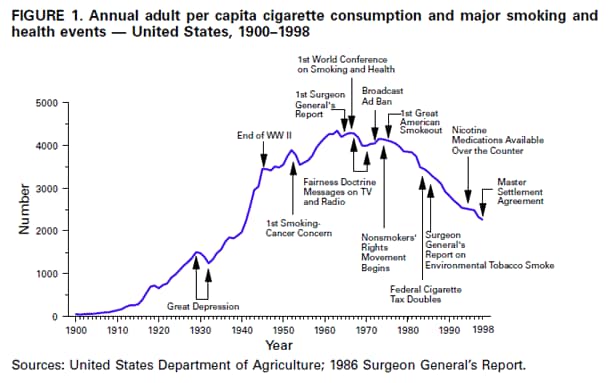
Hmmm... Apply a 25 year lag. https://www.cdc.gov/mmwr/preview/mmwrhtml/figures/m4843a2f1....
>PS: Stomach cancer is flat out much less common because we understand a major cause now. Cervical cancer rates will similarly drop from the HPV vaccine.
Yes...lots of progress in infectious disease treatment, very little with cancer treatment.
Treating, for example, thyroid or prostate cancers that would not have killed the person improves cancer survival statistics but nothing else.
I think it's naive to assume the 16.5%-of-GDP octopus we've created wouldn't figure out a way to profit from the removal of all regulations.
No. These rates are affected by more screening procedures. Some nipped a potentially fatal cancer in the bud, others just found and removed something that wouldn't have killed the person.
To first order there is no change in the effectiveness of cancer treatment as compared to 50 years ago.