dhshahsndeisjwn
Joined 12 years ago
Karma
37
Submissions
20
Member since
Feb 13
Joined 12 years ago
I think this is the real issue, irrespective of 'gifted' status. I failed the 11+ in the UK but spent my entire teenage years bored out of my mind and in fear for my physical safety. At 16 I switched to a school where classes were less chaotic and thrived. I graduated with a high 2:1 from Cambridge, so although I'm not 'gifted' in any precocious sense, and probably wouldn't have been picked up by these programmes, I was capable of some kind of academic achievement.
The focus on one end of the bell curve who visibly suffer more than others in the middle obscures the real problem: public schools are underfunded and understaffed. There's a reason why private education provides class sizes of 10-15: At that level teachers are _able_ to respond to the individual needs of all children.
Hiving off <5% into special classes for gifted might be good for those children, but it is socially regressive and ignores the problem for those who remain in sink schools.
This is true, but I think you are seriously underestimating how difficult this can be, and how easy it is to lose track of what it actually, genuinely is that gives you enjoyment.
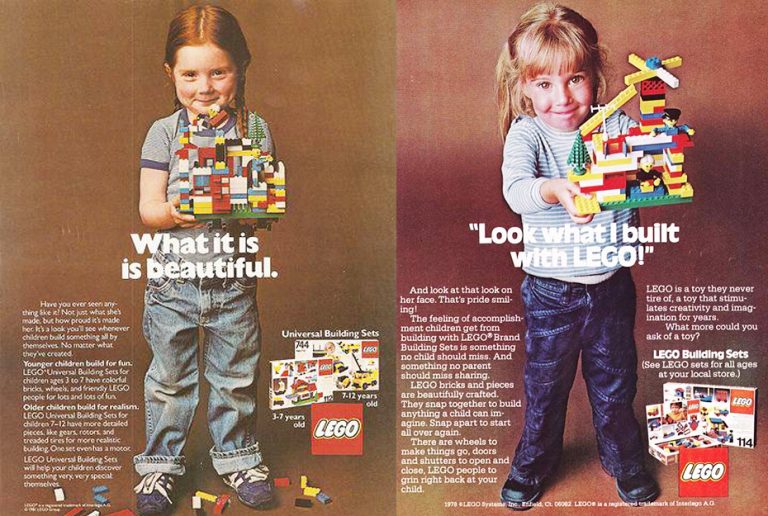
This has changed over time too. Just look at lego adverts from the 70s https://flashbak.com/wp-content/uploads/2018/08/LEGO-81-768x...
They don't look like that now!
I agree, but the reality is we don't know. Also there's evidence that cultural norms do substantially shape our opportunities (e.g. Denmark vs Saudi Arabia) and we should be mindful of this always. This cuts both ways too — men in Scandinavia are much more likely to be involved in child rearing through choice, and this is something men in other cultures miss out on.
The key is to acknowledge first that our society is incredibly gendered (and racist) in ways we often oblivious to.
Private insurers aren't motivated to do any of this because high drug prices don't hurt their bottom line.
> The most admired arguments are made with data, > but the origins, veracity, and malleability of those data > tend to be ancillary concerns.
That's a concern I often share: "the data" can so often be a "winner's history".
I think the real reason is that there will be someone to look after you when you're old and sick.