

DeinFreund
Joined 3 years ago
Karma
16
Submissions
4
Member since
Mar 21
Joined 3 years ago
1. Location and weather
2. Optics
3. Sensor, tracking and post processing
They can't control the first, but it seems they put everything in (3) instead of (2). The telescope is a 15cm refractor. I don't know any amateur astronomer using a refractor, let alone one with this budget. Refractors introduce further optical aberrations compared to first surface mirrors, usually collect less light and have shorter focal lengths for the same telescope size. Is there something I'm missing?
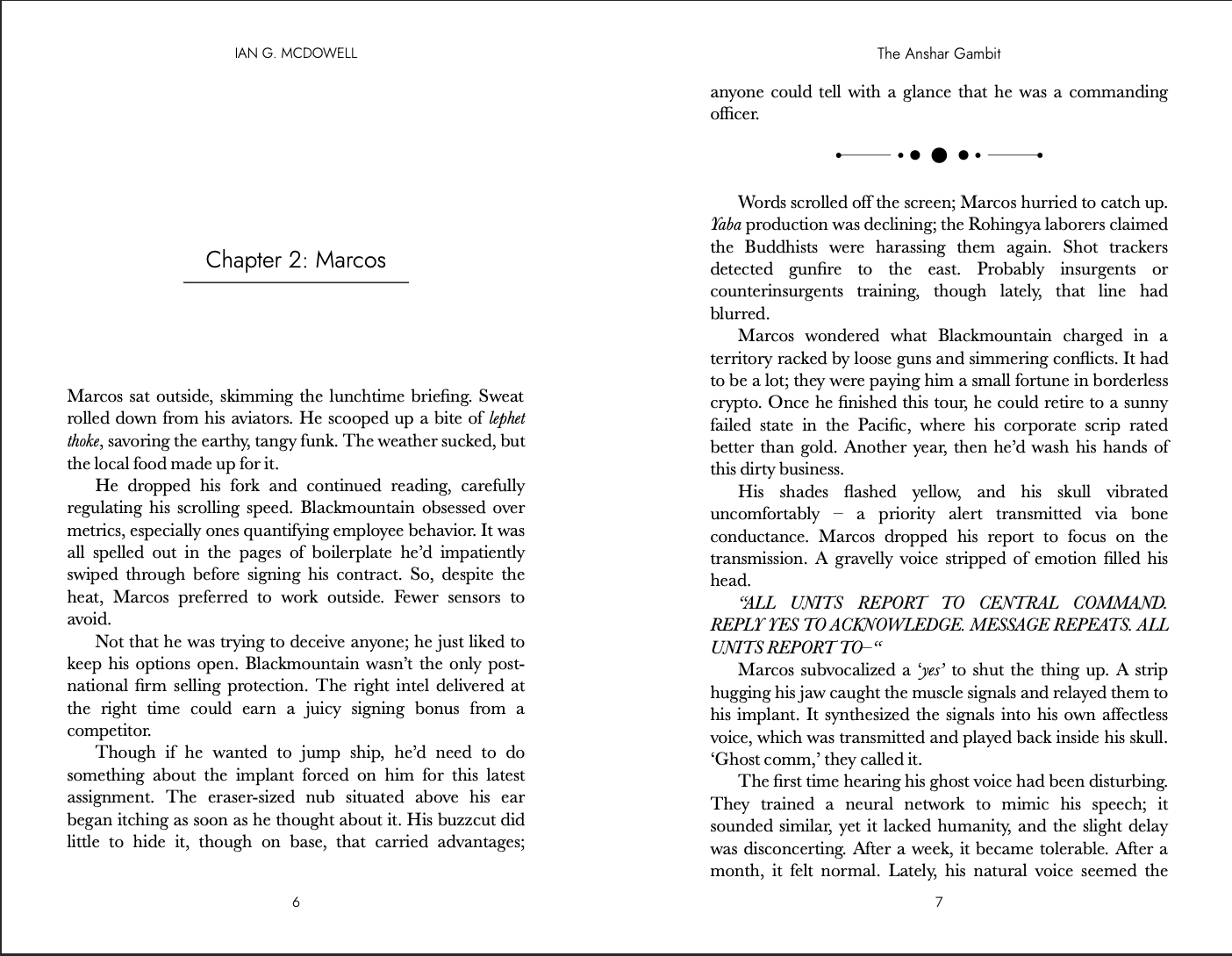
This example from the article says it all: https://iangmcdowell.com/blog/book_breaks.png
I understand that LaTeX is convoluted and other software is expensive, but when offering an alternative, there should at least be a comparison based on the quality of typesetting.
They say this works wlog for more complex embeddings, by encoding each token as a bit string. Could someone explain this generalization to me?
If we have 4 tokens, 00, 01, 10, 11 with probabilities 0.5 for 00 and 11 and probability 0 for 01 and 10. Going through bit by bit, how will the algorithm guarantee not to produce 01 or 10?